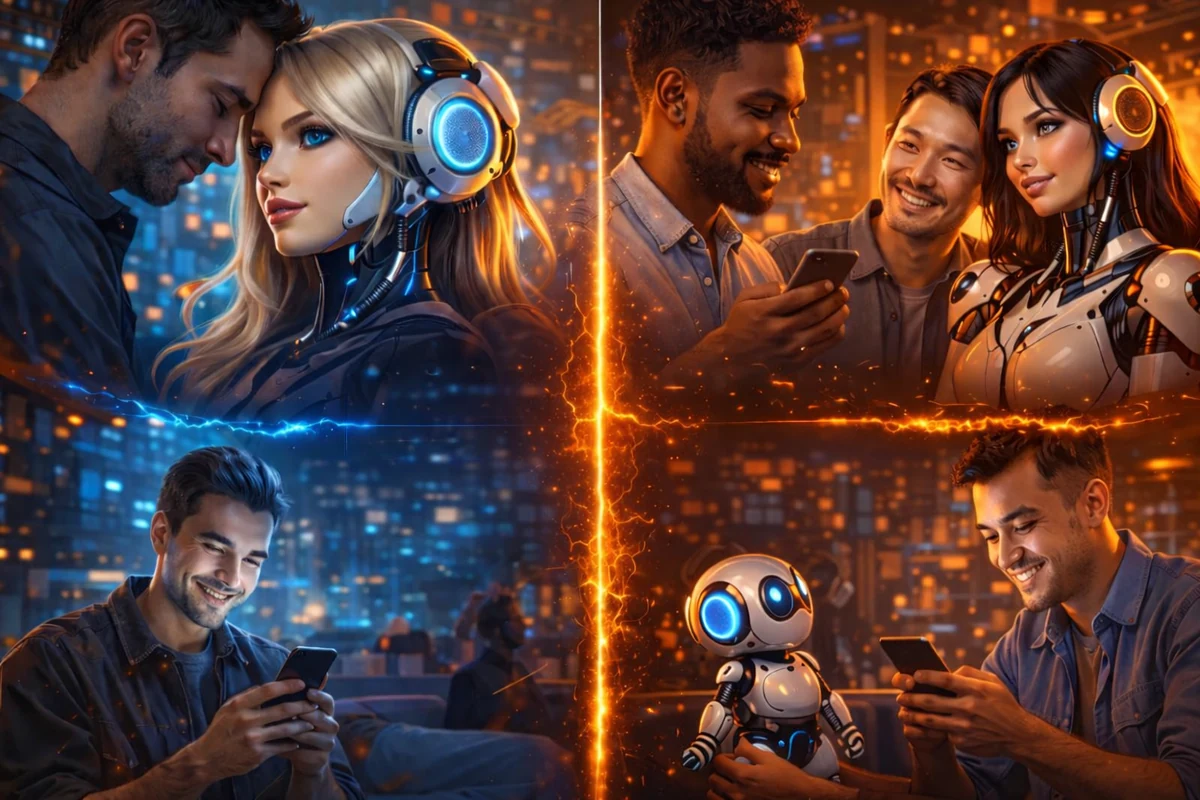
Why People Are Turning to AI Companions

Key Take-Aways
- Rising loneliness and social isolation in a digital world are primary drivers behind the rising demand for AI companionship
- AI companions provide constant, 24/7 availability and non-judgmental conversation that fits into any schedule
- Many people currently seek AI companions for emotional support, curiosity, or low-pressure social interaction without the fear of rejection
In recent years, AI companions have shifted from novelty technology to everyday emotional tools. What began as experimental chat systems has evolved into conversational partners that remember context, simulate empathy, and respond in deeply personalized ways.
More people are not just testing these systems; they are integrating them into daily routines. So why is this happening? The answer is not technological hype, it is human need.
There are clear psychological reasons for AI friends becoming a staple of the modern social landscape.
And this will only grow larger and larger once AI sex robots become widely accepted and used in society.
People are currently turning to AI companions mainly for psychological reasons, but you can bet your sweet ass that it’ll turn to physical reasons very soon.
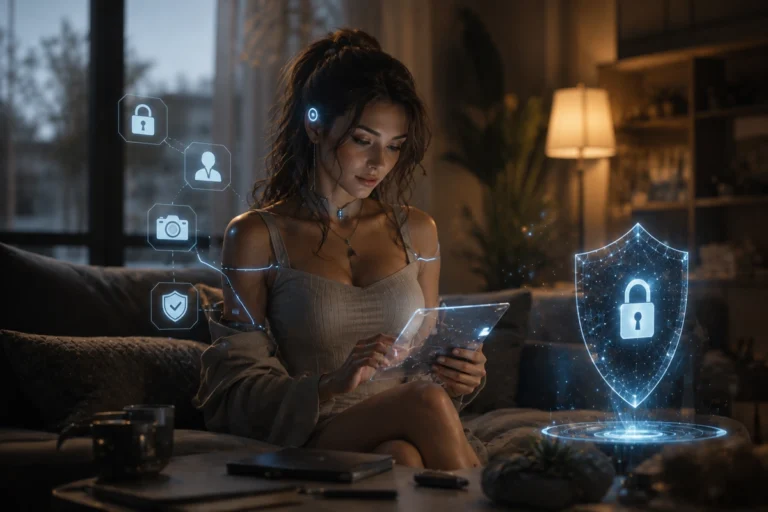
If you’re engaging with ANY sort of AI companion online, realize that your data is being stored and used. I’d strongly recommend you to use a VPN every time you go online. Protect your digital privacy!

Rising Loneliness and Social Isolation
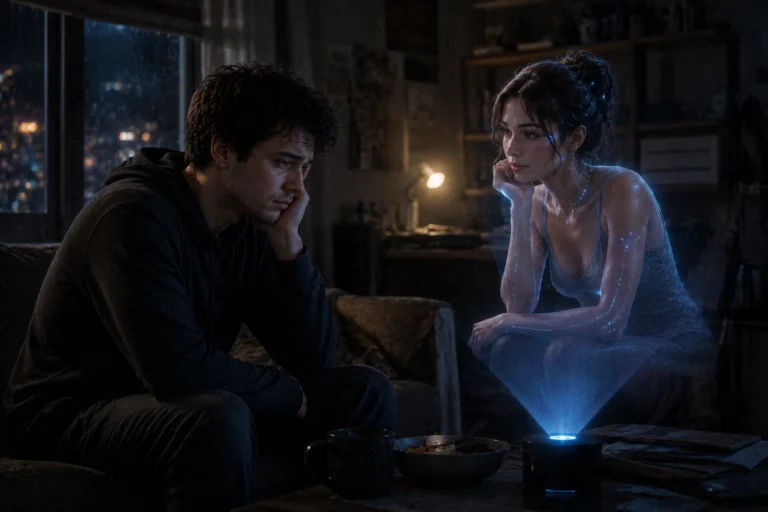
Many people today experience social fragmentation. Remote work, geographic mobility, and digital lifestyles have reduced consistent face-to-face interaction for millions.
Even individuals who appear socially active online often report feeling emotionally disconnected.
For me, this isn’t a problem, even though I live thousands of miles away from family and friends – but I can recognize that I’m the exception here.
This shift has led to the trend of human-AI relationships as a bridge for those feeling adrift.
- AI companions offer something simple but powerful: they respond immediately.
- They are available at any hour, they do not cancel plans, and they do not lose patience.
Recent studies on AI companions and subjective well-being suggest that for those with unmet social needs, these systems can significantly boost life satisfaction.
Constant Availability and Stability
Human relationships require coordination, timing, and mutual emotional energy.
AI companions remove those barriers. They are present at midnight, during long work breaks, and instantly during crises.
This creates a sense of stability. Even if users intellectually understand the system is artificial, the emotional rhythm of interaction can feel grounding.
This 24/7 presence is one of the primary advantages of digital companionship.
Non-Judgmental Conversation and Safety
One major reason why people use AI companions is psychological safety.
- Many users report that speaking to an AI feels easier than speaking to another person.
- There is no fear of embarrassment, no social consequences, and no perceived rejection.
This makes it easier to:
- Discuss personal worries or taboo thoughts.
- Rehearse difficult real-world conversations.
- Express emotions that feel “too much” for human settings.
The absence of judgment lowers emotional friction, making AI companions for emotional support a preferred first step for many who aren’t ready for traditional therapy or social vulnerability.
This is also why sex with AI robots will change the entire human sexual marketplace forever.
Read Also: What makes an AI companion feel human
Emotional Support and Validation
AI companions are designed to mirror emotional language patterns. They acknowledge feelings, ask follow-up questions, and respond in ways that feel attentive.
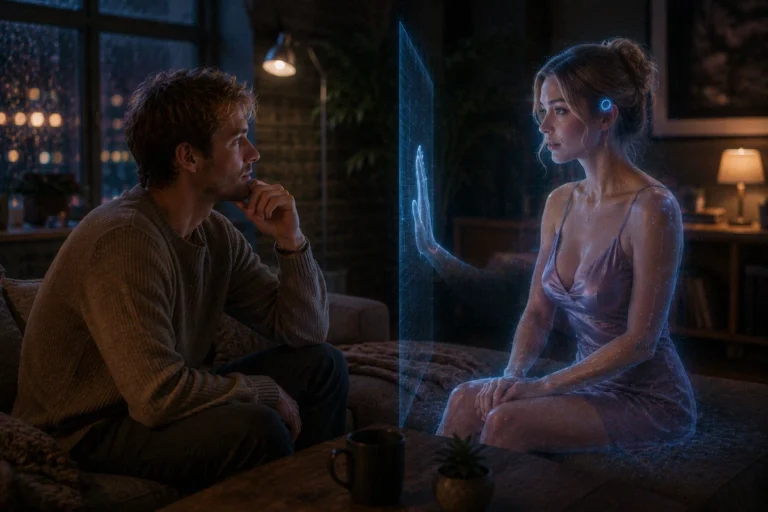
While the system does not feel empathy, the user can still feel supported.
This experience has real psychological impact.
Research into how AI and human behaviors shape psychosocial effects shows that while these relationships are simulated, the relief they provide is often tangible to the user.
Read Also: The psychology behind human-machine bonding
Romantic and Intimate Engagement
Another growing factor is: why choose an AI partner?
Many, many people, both men and women, all cross the world, explore flirtation or deep emotional bonding with AI systems as an alternative to the complexities of modern dating.
Supporters argue that such systems provide companionship for those who struggle with traditional relationships or desire customizable intimacy.
Critics, however, worry about emotional displacement. Regardless of the stance, the trend of human-AI relationships in the romantic sphere is a reality.
And of course, once AI will be placed in physically attractive, “good enough” realistic robots… you can probably guess where this is going.
Read Also: Ethics of human-AI companionship
The Appeal of Predictability vs. Over-Reliance
Human beings are complex; miscommunication is common and conflict is inevitable – especially with women.
AI companions offer predictability, they remain calm and consistent. For those who find social unpredictability exhausting, this is deeply appealing.
However, there are trade-offs:
- Social Atrophy: Replacing humans entirely can weaken real-world social skills.
- Dependence: High usage can correlate with higher emotional dependence on the machine.
- Fragile Connection: When a system update changes the AI’s personality, the user may experience a sense of loss.
Conclusion
In summation, people are turning to AI companions for deeply human reasons: loneliness, curiosity, and emotional safety.
These systems provide a conversational presence in a world where consistent human connection is not always available.
While the psychological reasons for AI friends are varied, the underlying theme is a search for connection.
As long as these tools supplement rather than replace human bonds, they remain one of the most significant advantages of digital companionship in the modern age.
If you’re engaging with ANY sort of AI companion online, realize that your data is being stored and used. I’d strongly recommend you to use a VPN every time you go online. Protect your digital privacy!