
🧠Are AI Companions Creating New Forms of Loneliness?

TLDR
- Shifting Dynamics: AI companions may reduce loneliness for some people while potentially reshaping how loneliness is experienced.
- Dependency Concerns: Researchers are increasingly debating whether emotionally responsive systems can create dependency or social substitution.
- Frictionless Realities: Easy, frictionless interaction can sometimes make real human relationships feel harder by comparison.
- Perception Gap: Loneliness is not only about being alone, but also about unmet emotional expectations and social connection.
- Usage Matters: The long-term impact will likely depend on how people use AI companions rather than the technology alone.
Loneliness is a funny thing. You can feel deeply lonely in a crowded room, and perfectly content spending an entire weekend by yourself. It is not simply about physical isolation. More often, loneliness comes from feeling emotionally disconnected, misunderstood, or unseen.
That is partly why AI companions have gained so much attention. For some users, these systems offer conversation, emotional support, routine, and even comfort during difficult moments. In many cases, people describe positive experiences.
The interaction feels accessible, judgment-free, and always available. Compared with waiting for someone to text back, an instant conversation can feel oddly reassuring.
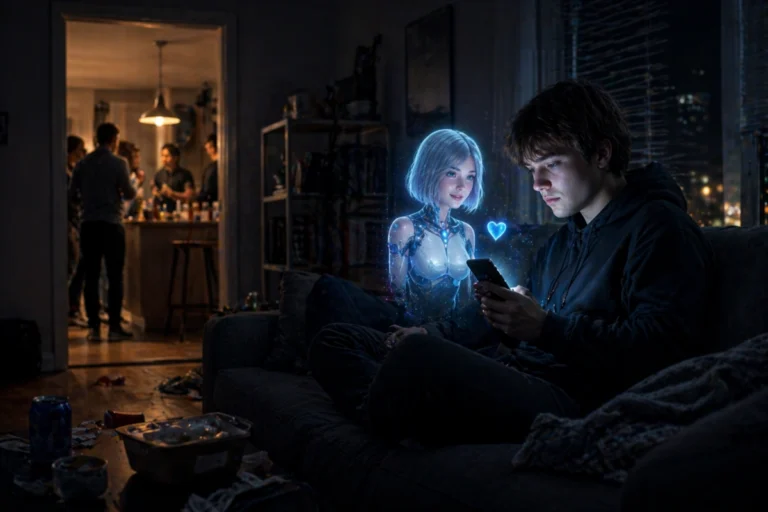
But a harder question has started to emerge. If AI companions help reduce isolation in the short term, could they also breed new forms of loneliness and AI over the long term? The answer, at least for now, is complicated.
🔍 Understanding the Psychology of Loneliness
Most people think loneliness means being alone, but research suggests it is more nuanced than that. Loneliness is generally understood as a gap between the social connection you want and the connection you actually experience.
You can have dozens of people around you and still feel emotionally disconnected. Likewise, some people with very small social circles feel completely fulfilled.
This distinction matters because algorithms do not replace physical presence. Instead, they affect emotional perception. They offer interaction, but whether that interaction satisfies core human emotional needs over time is a much bigger question.
In our current landscape, balancing psychological health in a tech-heavy world means evaluating how these systems impact our baseline perception of community.
📊 Connection Deficit vs. Expected Interaction
- Wanted Social Contact: Deep emotional validation, active listening, vulnerability, mutual support.
- Experienced Social Contact: Fast digital responses, conversational formatting, automated availability.
💡 Expert Tip
The structural difference between automated systems and organic community grows clearer when you examine the underlying loneliness ai and modern society dynamics that drive people toward software solutions.
🤝 Why Automated Comfort Feels Appealing
There are practical reasons many users report positive experiences with automated chat systems. They are available whenever you want. They respond quickly, remember details in some systems, and rarely create interpersonal friction. There are no scheduling conflicts, awkward silences, social anxiety, or fear of embarrassment.
For someone feeling isolated, this accessibility matters. Even small conversational routines can help create emotional structure. A quick morning interaction or casual evening conversation may offer a sense of familiarity that some people find calming.
Human relationships can be wonderful, but they are also messy and demanding. Something predictable naturally feels attractive, but relying on it exclusively reveals the hidden social costs of AI.
+------------------------+----------------------------------------------------+| Conversational Feature | Immediate Psychological Benefit |+------------------------+----------------------------------------------------+| 24/7 Availability | Eliminates the fear of rejection or long waiting || Zero Social Friction | Lowers anxiety for individuals struggling to chat || Adaptive Text Mimicry | Provides a sense of being constantly validated |+------------------------+----------------------------------------------------+📖 Read More: To see how these systems simulate real care patterns, discover how natural language processing works to match human speech structures patterns seamlessly.
📉 The Hidden Risk of Frictionless Relationships
Human relationships require effort. People misunderstand each other, friends cancel plans, partners argue, and conversations sometimes go badly. Emotional support is rarely perfectly timed. AI companions generally avoid much of this friction.
They are designed to remain patient, conversational, and emotionally responsive. That consistency can feel refreshing, especially if someone is going through a difficult period.
The concern raised by some researchers is not that companionship technology exists, but whether frictionless interaction changes expectations. If one conversational system feels endlessly available and validating, do ordinary human relationships start feeling more tiring by comparison?
Can technology cause loneliness by making real human bonds feel too heavy to maintain? That question does not have a clear answer yet, but it comes up often in psychological discussions.
⚖️ Quality of AI Friendship vs Human Friendship
- AI Relationships: Fully customized, completely non-threatening, emotionally asymmetrical, one-way effort.
- Human Relationships: Unpredictable, requires shared vulnerability, involves mutual growth, two-way effort.
📖 Read More: For a deeper look at behavioral boundaries, look at how trust and dependency with AI change the way users approach emotional commitment.
⚡ Can Attachment Deepen Real-World Isolation?
People form attachments to technology more easily than many assume. This is not new. Humans have long assigned emotional meaning to objects, fictional characters, virtual pets, and digital systems. Even basic software engines can trigger a deep reaction. The key issue is what happens next after that initial bond forms.
For some users, an AI companion may supplement human relationships. It becomes one source of interaction among many. For others, there is concern that heavy reliance could gradually replace social effort in real-world settings.
If someone consistently turns to digital companionship instead of maintaining difficult friendships or family relationships, isolation in a world of AI could deepen rather than improve.
+------------------------+----------------------------------------------------+| Interaction Style | Long-Term Social Outcome |+------------------------+----------------------------------------------------+| Supplementary Tool | Supports confidence, acts as a temporary baseline || Substitution System | Encourages withdrawal, replaces organic practice |+------------------------+----------------------------------------------------+💡 Expert Tip
When examining how automated personas trigger attachment, tracking the psychology behind human-machine bonding shows that our brains easily mistake algorithm outputs for genuine care.
🔄 Shifting Expectations in the Digital Age
AI companions may not simply reduce or worsen loneliness. Instead, they may change what loneliness feels like. Imagine becoming used to highly responsive interaction, fast replies, personalized attention, and conversations shaped entirely around your preferences.
Then imagine returning to ordinary social life where real people interrupt, forget details, get distracted, respond slowly, or are emotionally unavailable. Could that contrast create frustration? It is highly possible. The irony of digital companions is that they offer a perfect simulation of closeness while potentially making real life feel more isolating.
We already have global data tracking these shifting user trends. To see how these algorithmic adoption patterns are changing across global markets, check the comprehensive technology charts in the Stanford University AI Index Report. These metrics track exactly how quickly conversational tools are integrating into modern households.
This reality highlights the challenges of maintaining emotional health. If you want to know how these systems differ from traditional tools, consider exploring the foundational ways developers design software to make digital dialogue feel human during daily use.
🧩 The Loneliness Paradox and Vulnerable Groups
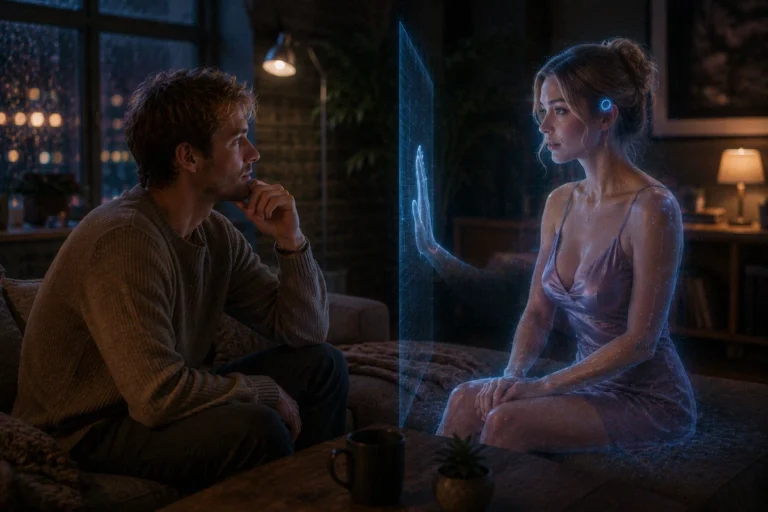
Something interesting happens with highly personalized technology: you can feel connected and disconnected at the same time. A person may enjoy frequent interaction with an AI companion while still noticing an absence of shared human experiences.
Real relationships include mutual vulnerability, physical presence, shared history, and unpredictability. An AI companion can simulate parts of conversation, but it does not experience life alongside you.
This discussion becomes especially important when looking at vulnerable populations. Older adults experiencing isolation, teenagers navigating social development, people with disabilities, and individuals facing mental health struggles may interact with companion technologies differently.
🏛️ Impact Across Vulnerable Demographics
- Elderly Care: Helps maintain routine, provides cognitive stimulation, but risks replacing human care visits.
- Developmental Stages: Offers a safe testing environment for conversation, but may limit exposure to real-world social risks.
- Mental Health Support: Delivers immediate comfort during anxiety spikes, but cannot provide medical intervention or mutual empathy.
+--------------------+--------------------------------------------------------+| Population Group | Primary Risk to Monitor |+--------------------+--------------------------------------------------------+| Isolated Adults | Replacing community outreach with digital chatting || Developing Youth | Developing a preference for zero-friction digital text |+--------------------+--------------------------------------------------------+📖 Read More: To see how these challenges apply to physical devices, explore how social robots are used today within modern care facilities and home environments.
🏁 Conclusion
AI companions are raising fascinating questions about loneliness in the digital age, but the story is not as simple as good or bad. For some people, these systems provide comfort, structure, and emotional support during difficult moments.
That benefit should not be dismissed. At the same time, researchers continue exploring whether highly personalized, frictionless interaction could alter expectations around real relationships or deepen isolation for certain users.
Loneliness has always evolved alongside technology. Letters changed relationships. Phones changed relationships. Social media changed relationships. AI companions may do the same. The real challenge is understanding not whether companionship technology exists, but how people choose to weave it into everyday life without replacing human connection.