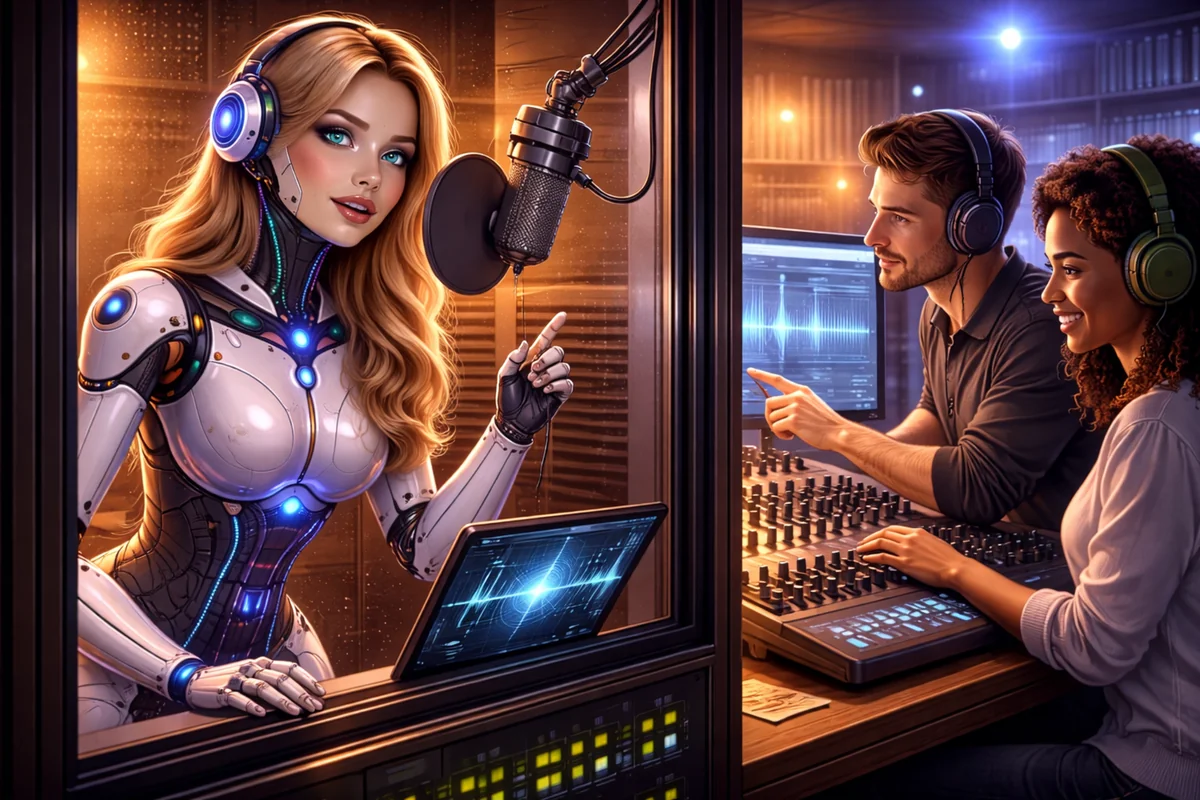
What makes an AI voice feel human is rhythm, timing, variation, and responsiveness.

Let’s unpack how cultural differences in AI design get baked into these systems in ways that are not always obvious at first glance.

What are the moral issues with “needy” AI that seeks to replace human connection rather than supplement it?

If you are considering spending money on one, it helps to understand the benefits of paid AI companionship.

Wonder why robots struggle in the real world? Because life is messy in ways that are hard to model.
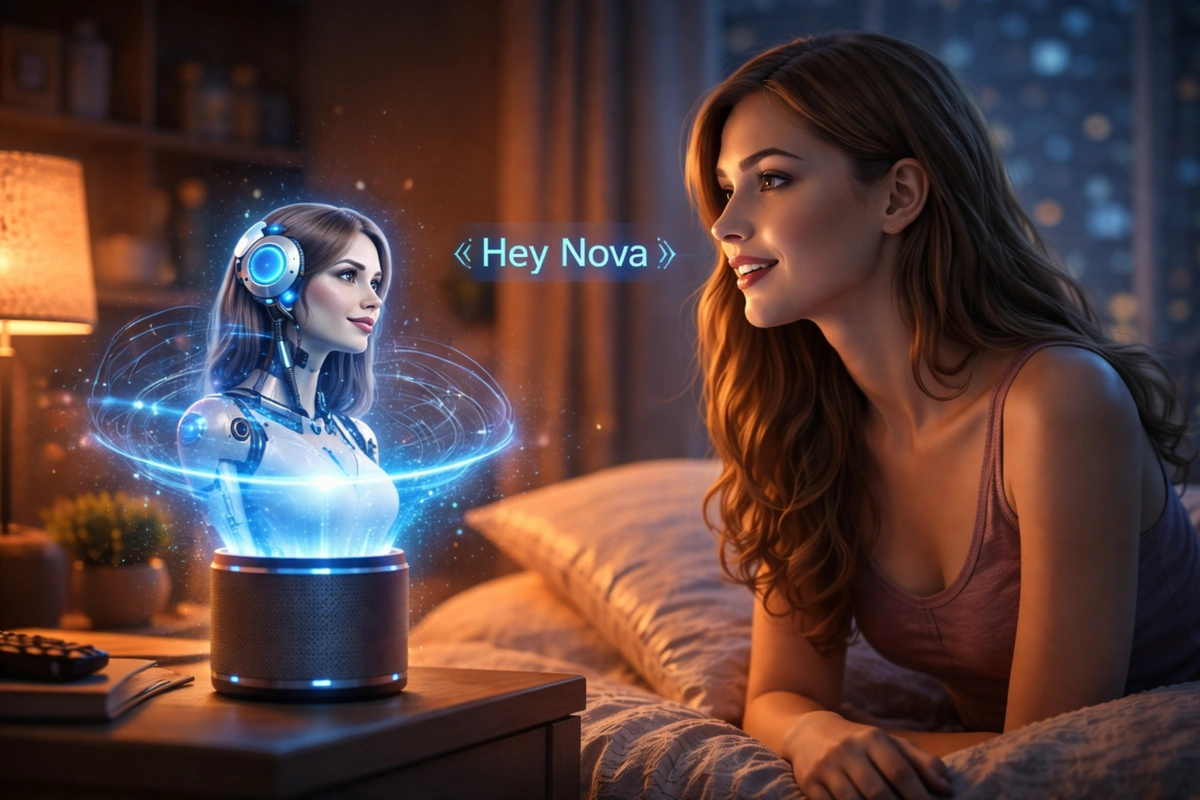
Wake word detection sits at the very edge of interaction between humans and machines.

Why do startups seem to be ahead in the startups vs big tech in AI race?

Is the use of AI companions and social skills helping your real-world interactions, or quietly reshaping them?

To determine is a social robot worth the money, you have to look past the landing page.
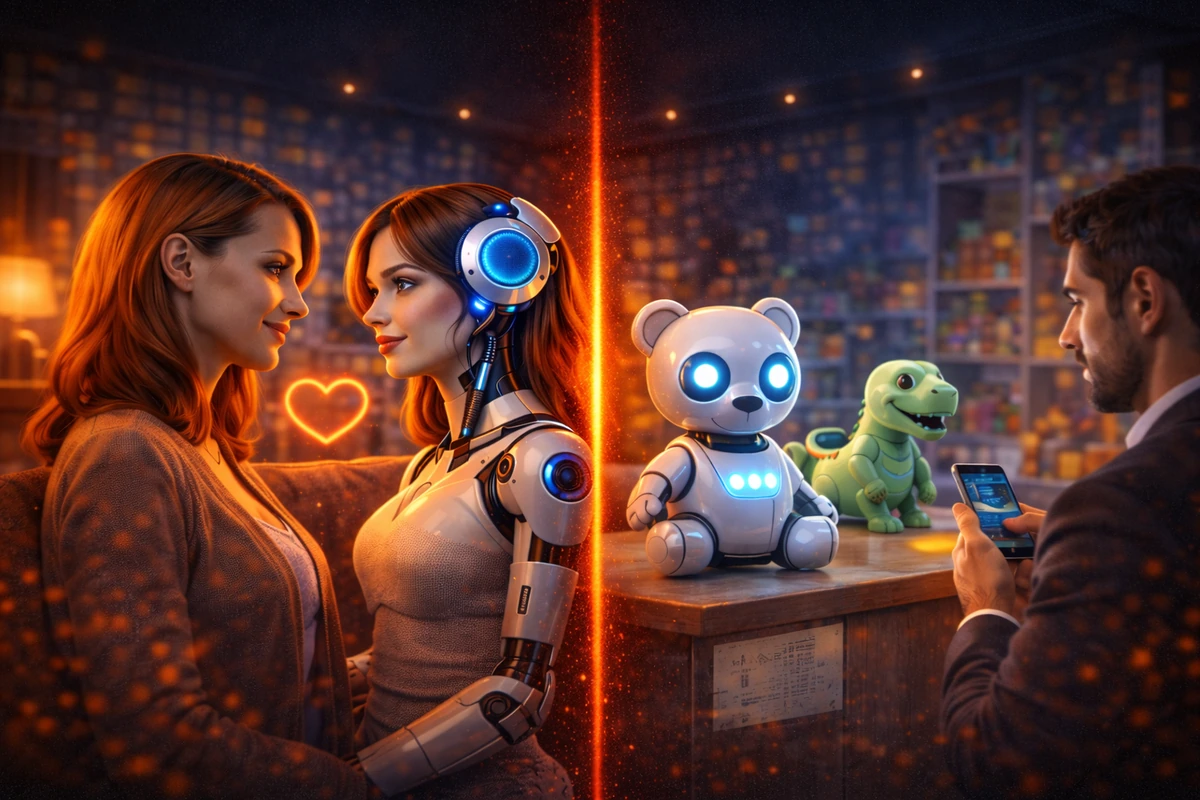
The distinction between companion robots vs smart toys matters.