
🛡️The Ethics of AI Companions Designed for Vulnerable Users
Implementing top-tier data security structures is an absolute requirement for ethical design for the elderly and youth populations.

Implementing top-tier data security structures is an absolute requirement for ethical design for the elderly and youth populations.

AI companions can reduce loneliness in the short term but may increase isolation for some users over time.

We’ll unpack why loneliness persists, how it intersects with technology and companionship solutions, and what that means for you and for society.

AI companions process large volumes of personal conversations, raising important questions about how that data is stored and used.
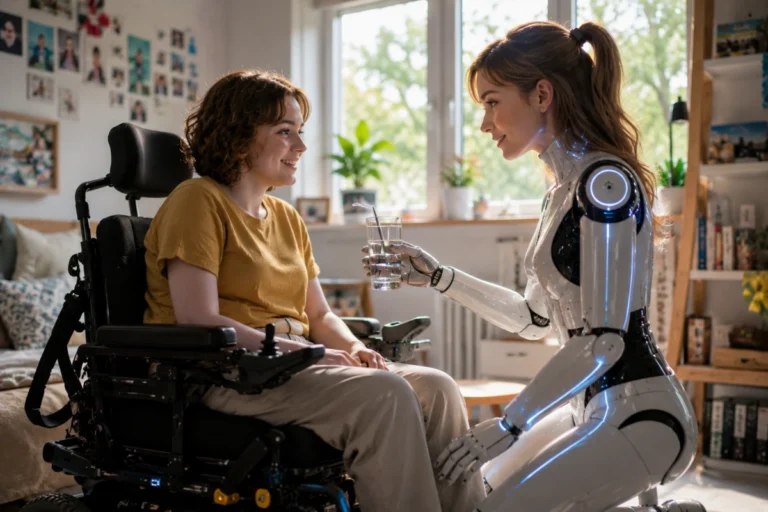
Let’s see what the future holds regarding social robots for people with disabilities.

AI companions are raising fascinating questions about loneliness in the digital age, but the story is not as simple as good or bad.

AI companions are changing how people interact socially. What are the long-term social effects of AI?

Government response to social robots has shifted from curiosity to active oversight.

Can an AI companion actually support someone through loneliness? Can AI replace therapy eventually?

A growing part of the moral side of AI romance is the potential impact of AI partners on human marriage and family structures.