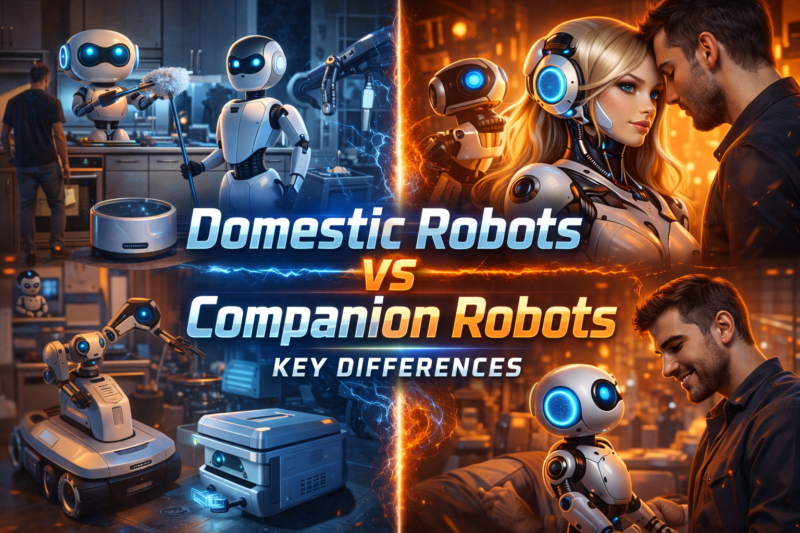
Domestic robots and companion robots share a technological foundation, but their missions diverge sharply.
Category: AI Companion Robots
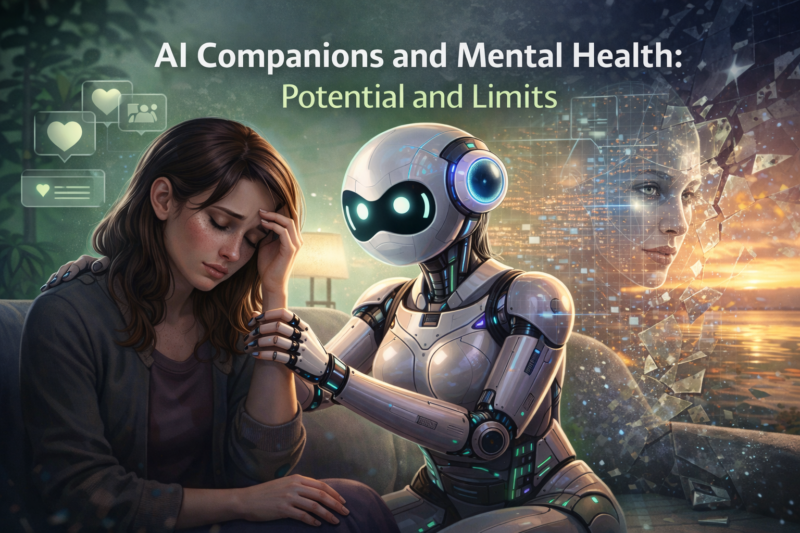
AI companions and mental health intersect in a space filled with both promise and caution.
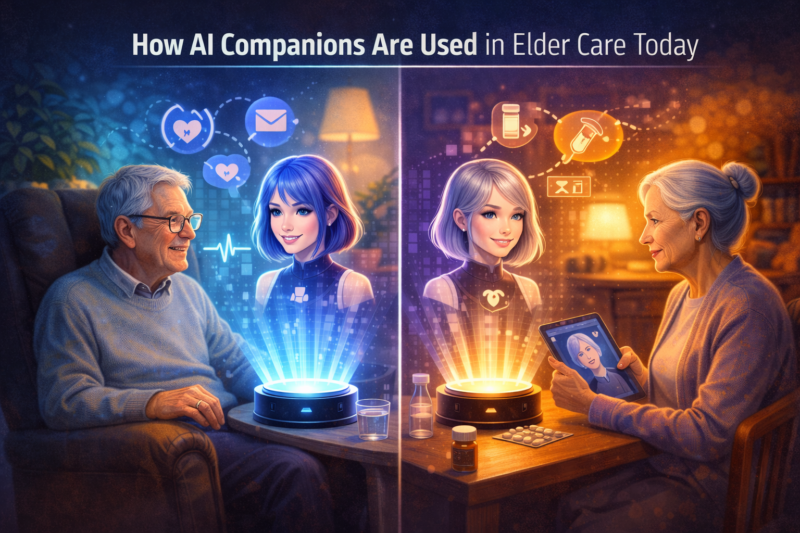
AI companions are increasingly used in elder care to reduce loneliness and support daily emotional well-being.
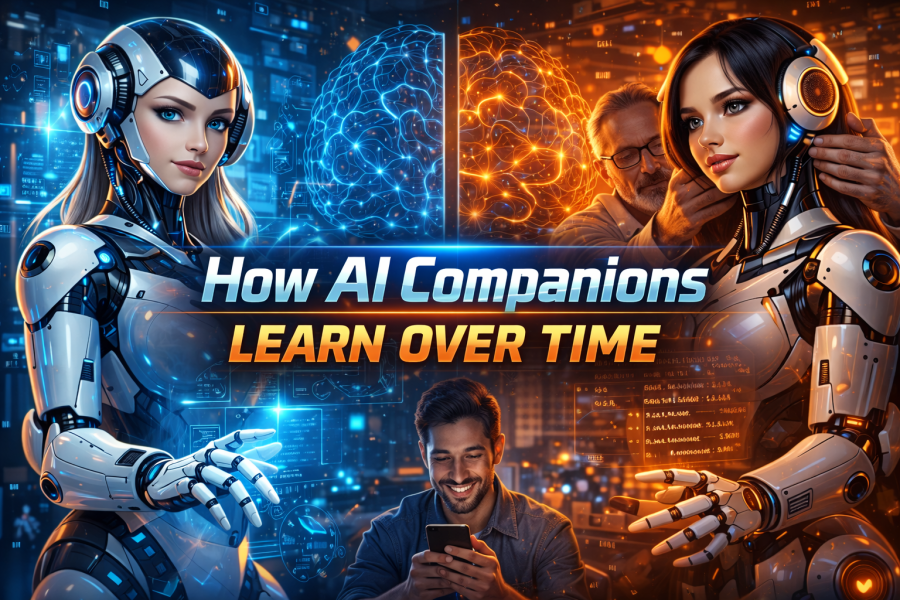
AI companions learn over time by combining memory systems, reinforcement learning, and advanced conversational modeling.
In the realm of AI companions and social robots, high-quality conversation is far more important than surface appearance.

Human–machine bonding isn’t about machines having feelings. It’s about human psychology.
What makes an AI companion feel human doesn’t come from the machine itself.
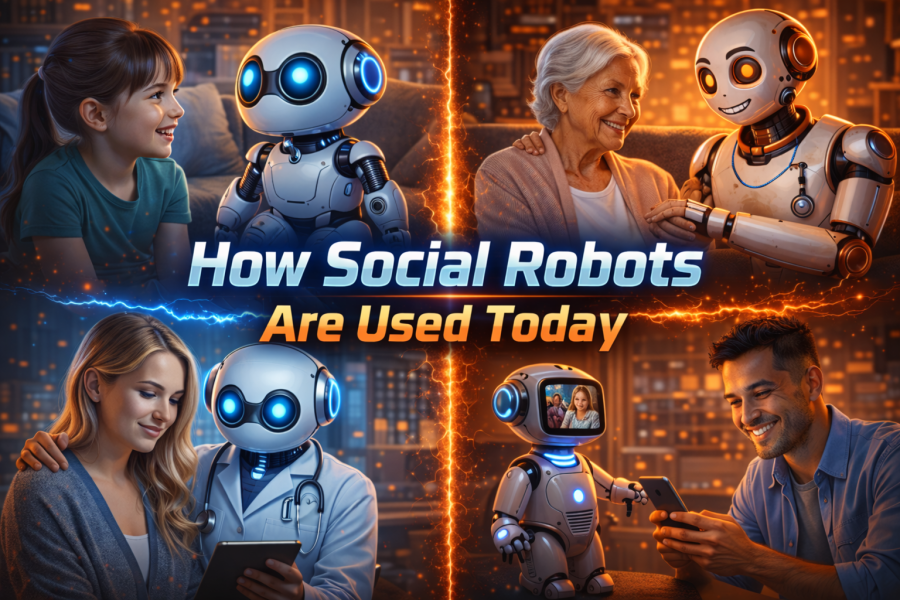
Social robots have quietly spread into real everyday settings, and they are doing much more than just turning heads at trade shows.
We’ll unpack why loneliness persists, how it intersects with technology and companionship solutions, and what that means for you and for society.
People are turning to AI companions for deeply human reasons. Loneliness. Curiosity. Emotional safety. Predictability. Exploration of intimacy.