
🤖The Hidden Engineering Challenges Behind Social Robots
Understanding why making a social robot is hard requires looking past the plastic shell at the behind the scenes of AI hardware.
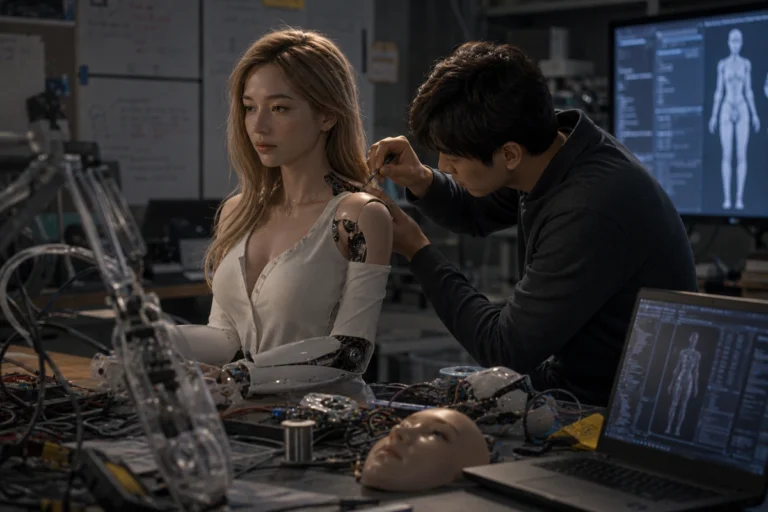
Understanding why making a social robot is hard requires looking past the plastic shell at the behind the scenes of AI hardware.

Memory systems determine whether an AI feels stable or changes personality across interactions.

Mass adoption of AI companions is not going to come from a single breakthrough.

A growing part of the moral side of AI romance is the potential impact of AI partners on human marriage and family structures.

Making robots feel more natural depends on total alignment.

Speech-to-text accuracy in AI isn’t just a technical metric; it is the backbone of the entire product.

AI for specific demographics ensures that the technology actually delivers value rather than just novelty.

As these systems become more present in daily life, we have to look at the psychological risks of treating AI as human.

AI companions are rapidly outgrowing their initial reputation as “loneliness cures.”

TLDR When people talk about social robots, the conversation usually drifts toward looks first. Sleek faces, soft materials, and expressive eyes are the initial focus. However, once you dig into how people actually respond during interaction, something interesting shows up: motion tends to matter more than appearance in shaping whether a robot feels socially “real.”…