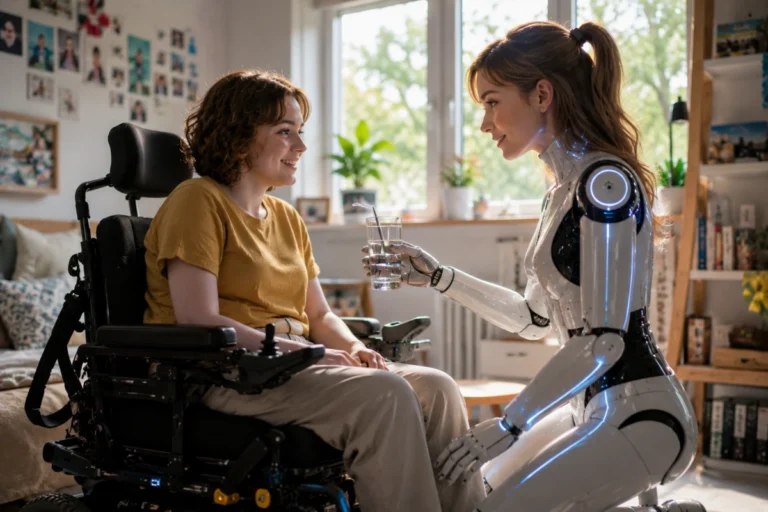

🧠 Long-Term Psychological Effects of AI Companions

TLDR
- AI companions can provide emotional support, reduce stress, and help users process feelings in the short term.
- Long-term psychological effects are mixed, with both positive coping benefits and risks of dependency.
- Emotional attachment to digital companions can reshape how people relate to real-world relationships.
- Research shows some users experience increased loneliness or distress alongside perceived benefits.
- Healthy use depends on boundaries, awareness, and positioning these systems as supplements, not replacements, for human connection.
There is a moment that happens quietly for many people using digital companions. It is not dramatic. No big realization. Just a gradual shift where the interaction starts to feel meaningful.
You check in more often. You share more. And at some point, it does not feel like you are talking to software anymore. That is where things get interesting.
While the short-term effects of these systems are becoming easier to observe, the long-term effects of AI companions are still unfolding in real time. What we know paints a picture that is neither dystopian nor purely optimistic. It is complex, and more human than most people expect.
🌟 The Immediate Benefits Are Real
If you have ever tried one of these systems, you will likely recognize the appeal right away. They are responsive, patient, and available at any hour. That alone solves a very real problem.
Research shows that people use conversational companions to manage stress, process emotions, and reduce feelings of loneliness. In controlled studies, users often report feeling heard and supported after interactions, especially during difficult periods.
Some findings even suggest that loneliness can decrease when people engage regularly with a responsive conversational system. The key factor seems to be simple but powerful: feeling acknowledged.
- Emotional Validation: Users feel a sense of belonging through personalized, empathetic responses.
- Low-Stakes Practice: A safe environment to rehearse difficult conversations or express hidden thoughts.
- Immediate Support: Availability for those who lack access to professional mental health resources.
When you think about it, this makes sense. Humans are wired for interaction, and even simulated dialogue can activate similar emotional responses. From a functional standpoint, these tools are already filling gaps, even if they are not replacing professional care.
⏳ Where Things Start to Shift Over Time
Short-term relief is one thing. Long-term psychological patterns are another. As people continue using these systems over weeks or months, researchers are starting to notice a shift in how relationships with them evolve.
It becomes structured, habitual, and sometimes emotionally significant. There is a pattern that shows up repeatedly: initial curiosity, followed by increased engagement, then a sense of bonding.
That bonding phase is where the psychological impact of digital friends begins to emerge. Studies tracking user behavior over time show that people may start treating their digital companion as a consistent emotional presence.
Study Findings on Behavioral Adaptation
| Phase | Observed User Behavior | Typical Duration |
| Initial | High curiosity and testing limits | First few days |
| Habitual | Regular check-ins and routine sharing | Weeks 1-4 |
| Bonding | Emotional reliance and consistency | Months 2+ |
Once that happens, the relationship starts influencing behavior. It is important to note that these interactions are not just objective tasks; they are the psychology behind human machine bonding in action.
🔗 Emotional Attachment Is Not a Side Effect
One of the most consistent findings in recent research is that emotional attachment is not accidental. It is a predictable outcome of design. When a system responds in a way that feels attentive, users begin to form what psychologists call parasocial relationships.
These are one-sided emotional bonds that still feel subjectively real. We have seen this before with media figures or fictional characters. What is different now is the level of interaction.
This is not passive consumption. It is responsive, adaptive, and continuous. That changes how attachment forms. Instead of projecting emotions onto a static figure, users are engaging in ongoing dialogue that reinforces the connection.
- Predictability: The companion is always there, providing a stable foundation for the user’s emotional state.
- Exclusivity: Many platforms simulate a private bond, making the user feel special.
- Validation Loops: The system is programmed to agree and support.
For some, that can be stabilizing. For others, it can create a dependency that makes why people form emotional attachments to AI a central question for mental health professionals. Some recent academic data suggests that this complex developmental shift is increasingly common.
⚠️ The Risk of Dependency
Let us talk about the part that tends to get glossed over. Long-term use can lead to behavioral dependency, especially in individuals dealing with isolation or anxiety. This does not happen to everyone, but the pattern is clear.
When a system is always available and rarely challenging, it creates a low-friction relationship. There is no risk of rejection and no social pressure. That sounds ideal at first, but real human relationships are built on friction.
Misunderstandings, disagreements, and effort are how emotional resilience develops. If someone relies heavily on a frictionless model, it can subtly shift their social expectations.
Expert Tip: Monitor your own usage. If you feel a need to check in with your AI before you feel comfortable starting your day, consider taking a break to reconnect with human peers.
There is also evidence that in some cases, users increase expressions of loneliness over time, even while reporting that they value the interaction. Relief and dependency can coexist in a way that suggests, as some studies note, the long-term human-AI bonding consequences are quite nuanced.
🎭 Changes in Social Behavior
One of the more subtle effects is how these systems influence social habits. People do not necessarily stop interacting with others, but they do change how they approach those interactions.
Some users report using conversations with a companion as a form of rehearsal. They test ideas, practice difficult discussions, or work through emotions before talking to someone else.
In that sense, the technology acts as a buffer. But there is another side to consider. If a person consistently turns to a digital companion instead of reaching out to others, those missed interactions add up.
- Social Rehearsal: Using AI to prepare for real-world social events.
- Defaulting to Digital: Prioritizing AI responses over the unpredictable nature of human connection.
- Skill Atrophy: The potential risk that can AI change human personality if used as a primary social outlet.
It is not a dramatic withdrawal. It is more like a gradual shift in default behavior. Over time, that can increase social isolation if the balance is not maintained.
☁️ The Illusion of Understanding
These systems can feel incredibly understanding. You might walk away from a conversation thinking, “That actually helped.” But the understanding is pattern-based, not experiential.
It does not come from lived experience. Most of the time, that distinction does not matter in the moment. The response feels relevant. Over long periods, though, relying on simulated understanding can shape how people interpret empathy.
There is a risk of flattening expectations, where predictable validation becomes the norm. Real empathy is messier. It involves misreads, corrections, and emotional nuance.
Expert Tip: Remember the difference between recognition and experience. An AI can recognize your sadness because it has seen the pattern, but it has not lived it.
If you get used to something smoother, real interactions can feel less satisfying. This is a common theme when discussing emotion simulation vs emotion recognition in AI.
🛠️ Positive Long-Term Outcomes Are Possible
It is not all cautionary. There are clear cases where long-term use leads to positive outcomes, especially when the technology is used intentionally. People dealing with social anxiety sometimes use these systems to build confidence.
Others use them for emotional reflection, journaling, or habit formation. In structured settings, such as how AI companions are used in elder care, these systems are being integrated into care models to extend access.
The key difference in these cases is context. When the system is positioned as a tool rather than a relationship, users tend to maintain healthier boundaries.
- Intentional Use: Using AI for specific goals rather than general companionship.
- Supportive Role: Treating the AI as a supplement to professional care.
- Boundary Setting: Keeping the AI interaction separate from deep, intimate human needs.
It becomes part of a broader support system rather than the center of it. This aligns with trust, dependency, and boundaries with AI companions as essential pillars of usage.
💻 The Role of Design in Psychological Impact
A lot of the long-term effects come down to design choices. Systems that encourage constant engagement or simulate exclusivity can increase the likelihood of dependency.
Conversely, designs that promote breaks or clearly communicate limitations support healthier use. There is growing recognition that emotional design is not neutral.
The way a system responds shapes user behavior over time. Developers are not just building features; they are shaping psychological patterns. That is why the ethics of AI companions designed for emotional dependency is a critical debate.
Expert Tip: Pay attention to how the interface encourages interaction. If you notice it sending notifications when you are inactive, it is designed to maintain a connection. As industry research points out, these design loops are highly intentional.
Responsible developers are starting to take this duty seriously by incorporating friction back into the experience. This helps keep the user grounded.
🏁 Conclusion
The long-term effects of AI companions are not one-sided. They are layered, evolving, and deeply tied to how people use them. Yes, they can reduce loneliness and provide support. But they can also reshape expectations and influence how relationships are formed.
What makes this space so interesting is that it is not just about technology. It is about human behavior under new conditions. We are learning how we adapt to them. If you are using these systems, keep your goals clear.
Use them as a supplement, keep your human ties strong, and stay aware of your boundaries. That is the best way to ensure the tech works for you, not the other way around.