
As these systems become more present in daily life, we have to look at the psychological risks of treating AI as human.
Author: Stephen

AI companions are rapidly outgrowing their initial reputation as “loneliness cures.”

TLDR When people talk about social robots, the conversation usually drifts toward looks first. Sleek faces, soft materials, and expressive eyes are the initial focus. However, once you dig into…

When people describe AI companions as inconsistent, they are often reacting to the boundaries of the context window.

Who is actually buying AI companions today? Multiple groups with overlapping motivations.

Understanding the AI companions and social isolation risk requires looking at the shift from using technology as a bridge to using it as a barrier.

Overhyped AI companion claims often promise human-level intelligence, but current systems have clear technical limits.

What are the most significant hardware limits in companion robots?
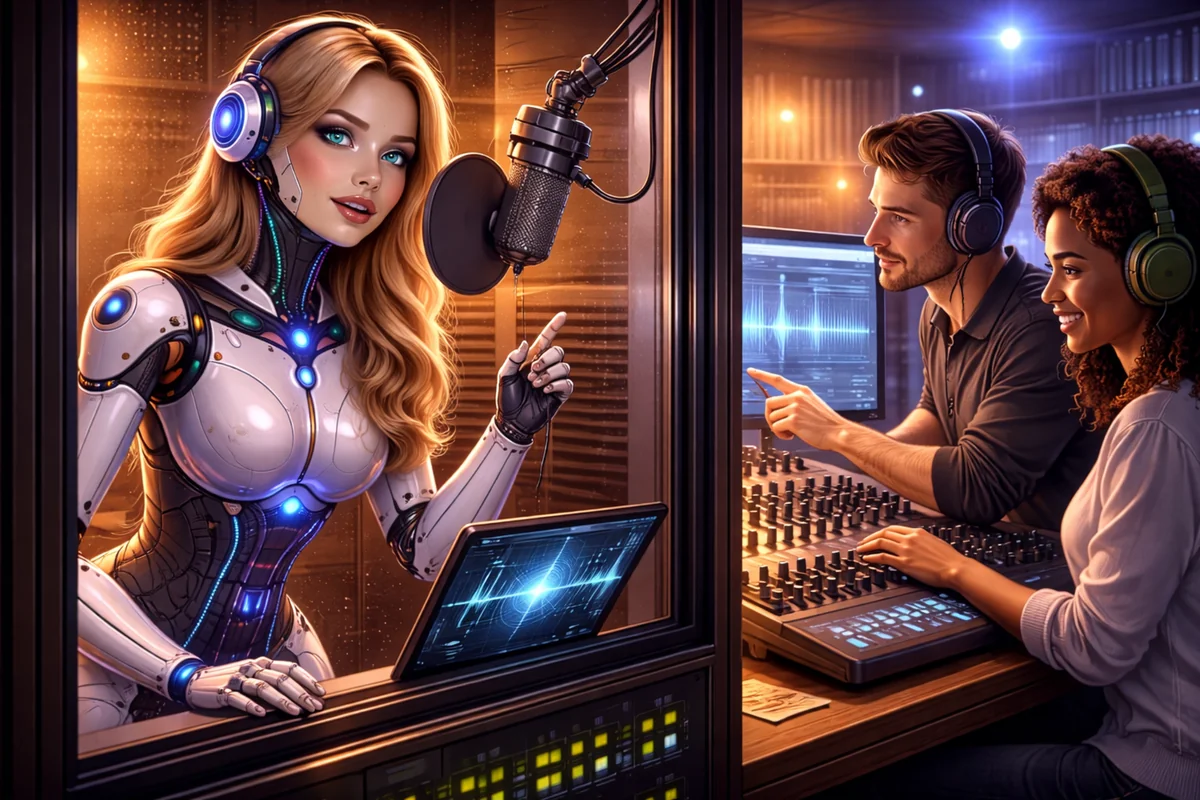
What makes an AI voice feel human is rhythm, timing, variation, and responsiveness.

Let’s unpack how cultural differences in AI design get baked into these systems in ways that are not always obvious at first glance.